10,000 Numbers Validated for Just $20.

  • DNC & Litigator Included!
  • Line Type
  • Carrier
Are-You-Wasting-SMS-Campaigns-on-Landline-Numbers-Heres-How-to-Fix-It

Have you ever wondered what happens if you text a landline?

Many businesses unknowingly waste valuable time and money sending SMS campaigns to landline numbers—numbers that can’t even receive text messages. This is a common mistake that not only leads to frustrated marketers but also hampers the effectiveness of their campaigns.

Sending SMS messages to landline numbers might seem harmless, but it’s a costly error. Not only do these messages bounce back, but your campaign’s reach and engagement suffer. Wasted resources, damaged sender reputation, and missed opportunities for conversions are just a few of the negative impacts this mistake can have on your business.

In this article, we will explore how to identify landline numbers in your contact list and how to fix the issue before it causes further damage.
Why Landline Numbers Don’t Work for SMS Campaigns

When it comes to SMS marketing, ensuring that your messages reach the right audience is important for campaign success. However, landline numbers are not suited for SMS campaigns, and using them can lead to a series of issues that hinder your efforts. Here’s why:

1. Technical Limitations

  • The Short Message Service (SMS) protocol is specifically designed for communication between mobile devices. Landline phones, by their very nature, are not equipped to receive or process SMS messages.
    Any SMS message sent to a landline number will simply fail to deliver. These messages are effectively lost in cyberspace, never reaching their intended recipients.

2. Wasted Resources

  • Sending SMS campaigns to landlines directly translates to wasted advertising dollars. Every message sent to a landline number represents a financial loss with no potential for return on investment. Significant time and effort are invested in planning, creating, and executing SMS campaigns. Sending messages to landlines renders these efforts unproductive, undermining the overall efficiency of marketing operations.
  • High bounce rates resulting from undelivered messages to landlines can negatively impact your sender’s reputation, leading to difficulties in delivering future messages, even to valid mobile numbers, as carriers may perceive your campaigns as unreliable.

3. Negative Campaign Impact

  • Sending messages to landlines significantly diminishes the reach of your SMS campaigns which limits your ability to connect with your target audience and deliver your message to the intended recipients. Every undelivered message represents a missed opportunity to engage with potential customers, provide valuable information, or drive conversions. Ineffective communication channels can damage your brand image. Sending messages to landlines reflects poorly on your marketing practices and can erode customer trust.

How to Identify Landline Numbers?

To effectively target mobile users with your SMS campaigns, it’s crucial to identify and remove landline numbers from your contact lists. Here are several strategies to achieve this:

1. Manual Checks vs. Automated Tools for Identifying Landline Numbers

  • You can start identifying landline numbers through manual checks, but this method is time-consuming and prone to human error, especially if your contact database is large. Instead, leveraging automated tools can significantly streamline the process, allowing you to efficiently filter out landlines and keep your database clean.
Method Description Advantages Disadvantages
Manual Checks Reviewing the database for patterns indicating landlines, such as fixed-length numbers or area codes. Highly customizable

No software cost

Time-consuming

Prone to errors

Automated Tools Using software to detect and flag landline numbers based on patterns, area codes, and mobile carrier databases Time-efficient

Reduces errors

Can detect invalid numbers

May involve software costs

Requires configuration

2. Using Phone Number Validation Software to Filter Landlines

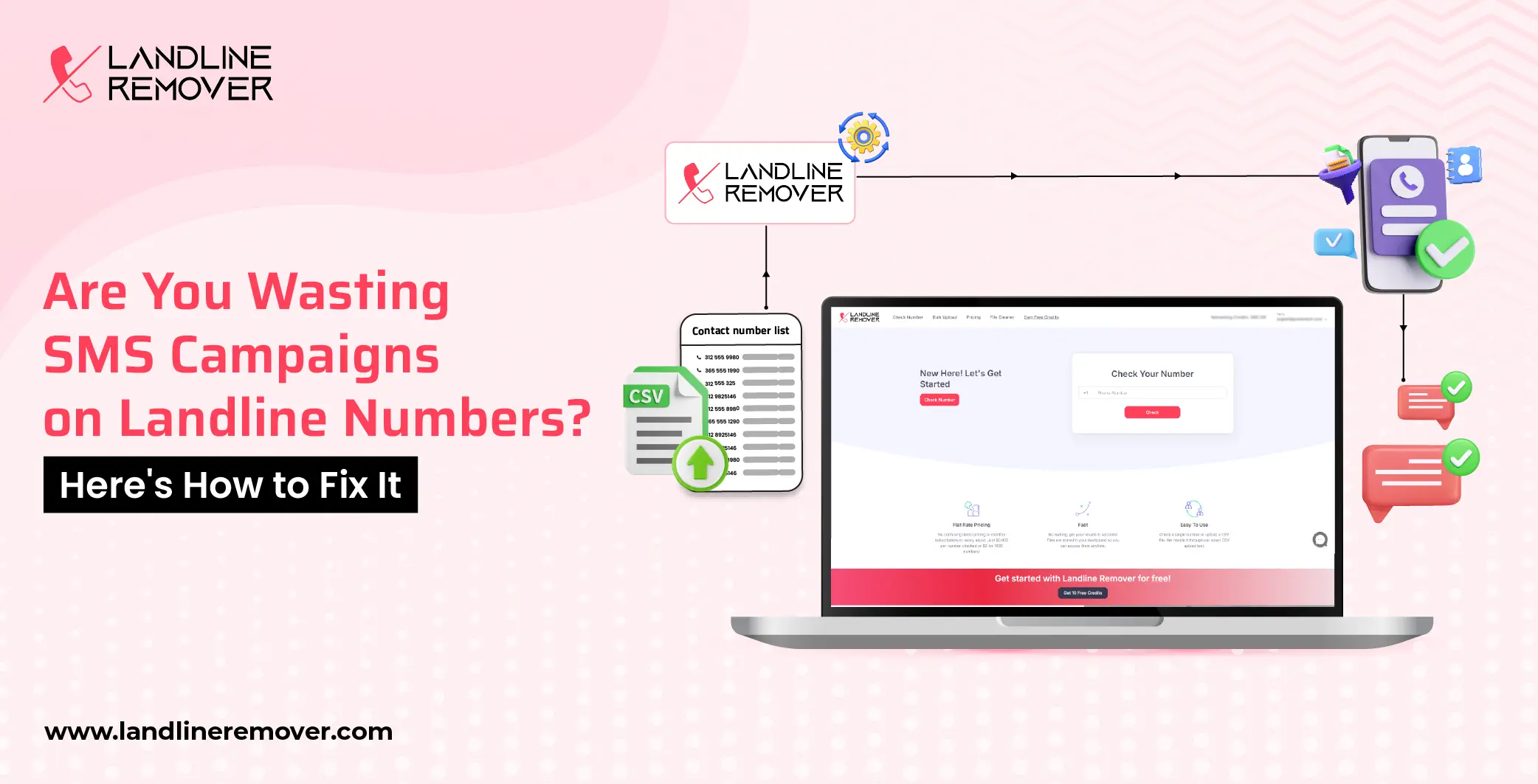
  • Phone number validation software (like the Landline Remover tool) is an essential tool for businesses aiming to clean up their contact lists that identify mobile, landline, and VoIP numbers, verify carrier types, and remove known litigator entries. It also ensures compliance with state and federal DNC lists, making it perfect for SMS marketing, lead generation, and customer outreach.

Here’s summarizing the key features and benefits of a Phone Number Validation Tool:

Feature How it works Benefits
Number Type Identification Differentiates between mobile, landline, and VoIP numbers. Helps tailor communication strategies for specific number types.
Carrier Verification Confirm the carrier associated with each number. Ensures accurate routing of messages and improves delivery rates.
Litigator Entry Removal Detects and removes known litigator phone numbers from contact lists. Reduces legal risks and protects businesses from potential litigation.
Compliance with DNC Lists Cross-checks numbers against state and federal Do Not Call (DNC) lists. Ensures regulatory compliance, avoiding penalties and maintaining brand reputation.
Bulk Processing Capability Processes large lists of phone numbers efficiently. Saves time and improves operational efficiency for businesses with extensive databases.

How to Fix It: Solutions for Removing or Replacing Landline Numbers

Encourage Customers to Update Contact Information

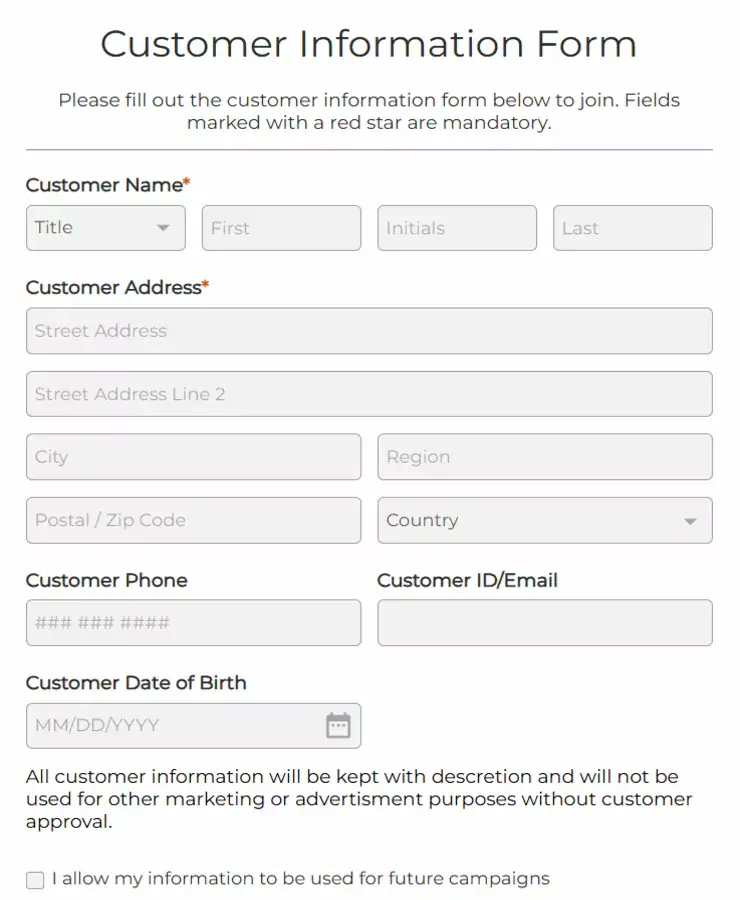
  • One of the simplest ways to resolve the issue of landline numbers is by encouraging customers to update their contact details. Provide them with an easy way to correct their information—through an online form, a dedicated email, or even via SMS. Let customers know that receiving important updates via SMS requires a mobile number, and make the process of updating their contact details as seamless as possible.

encourage-customers-to-update-contact-information

(Image Source: Link)

Offer Alternatives for Customers Who Only Have a Landline

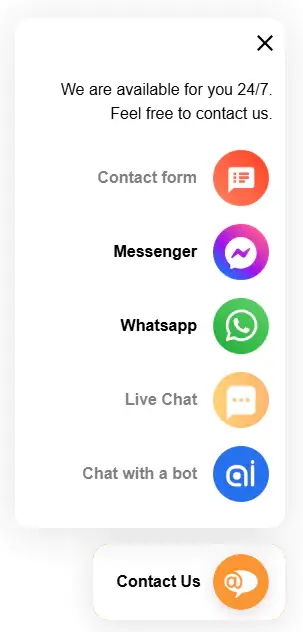
  • For customers who still use a landline as their primary contact method, offer alternatives for communication. For example, you could suggest email as an alternative or set up a website chat feature where they can engage with your brand. This way, even though they can’t receive SMS messages, they are not left out of the loop and can still engage with your brand in a meaningful way.

offer-alternatives-for-customers-who-only-have-a-landline

Ensure Users Opt-In via SMS or Mobile Numbers, Not Landlines

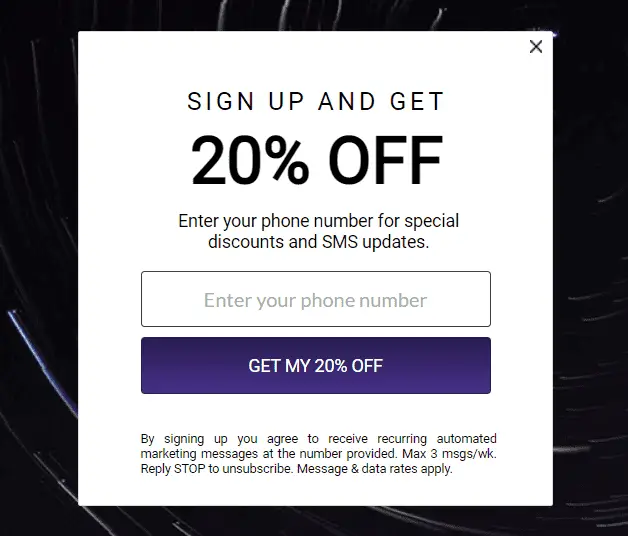
  • One effective way to prevent landline numbers from entering your database in the first place is to ensure that users are explicitly opting in with their mobile numbers. During sign-ups, ask for their mobile number and emphasize that SMS is the preferred method of communication. This reduces the chances of landline numbers being included, as customers will naturally provide a mobile number that can receive SMS.

ensure-users-opt-in-via-sms-or-mobile-numbers-not-landlines

(Image Source: Link)

Use Verification Techniques to Double-Check Mobile Numbers During Sign-Up

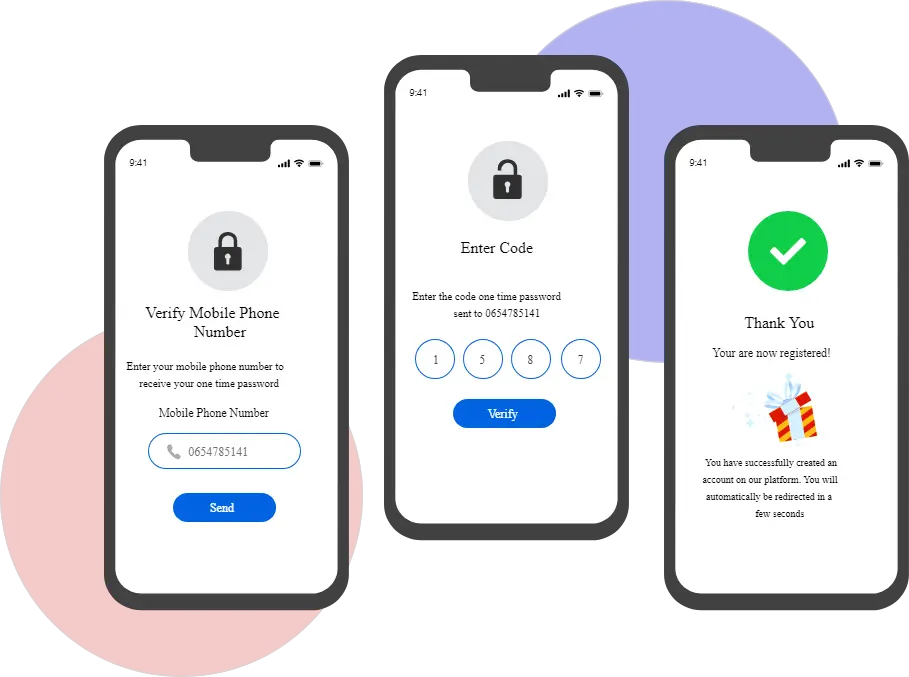
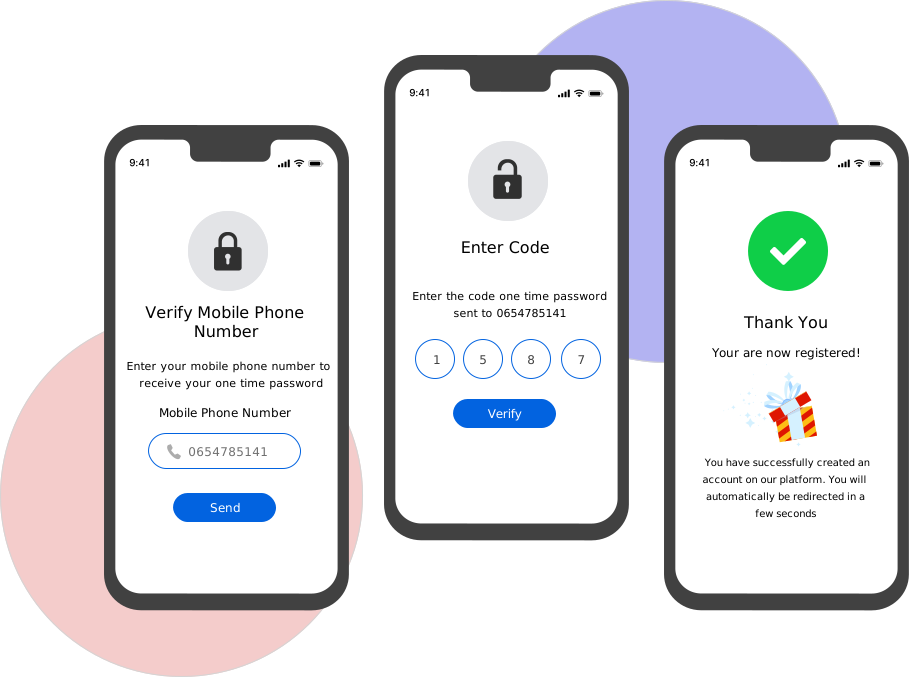
  • During the sign-up process, implement verification steps to confirm that the number provided is a valid mobile number. This could involve sending a one-time passcode (OTP) via SMS, which the user must input to confirm their contact details. By requiring this extra layer of verification, you can ensure that the number you have on file is indeed capable of receiving SMS, preventing future issues with landline numbers in your campaigns.

use-verification-techniques-to-double-check-mobile-numbers-during-sign-up

(Image Source: Link)

Leverage Two-Way SMS

  • Using two-way SMS allows businesses to engage in direct communication with customers, which can help identify and correct issues with contact information, including landline numbers. Two-way SMS enables customers to reply to messages, giving you the opportunity to confirm their preferred communication method and correct any landline numbers in real-time.

Initial Message (Customer’s response to SMS campaign):

Delivery failed or invalid number response detected.

Follow-Up Message (Sent by your system):

“Hi [Customer’s Name], we noticed that our recent message didn’t reach you. It seems there might be an issue with the phone number we have on file. Please update your contact details to ensure you continue receiving important updates and notifications. Click here to update: [Insert Link] Thank you!”

For example, if a customer responds to an SMS campaign with a delivery failure or an invalid number, you can send a follow-up message asking them to update their mobile number to ensure they receive future notifications. This proactive approach minimizes the chances of landline numbers slipping through and optimizes the effectiveness of your campaigns.

Conclusion:

Now is the perfect time to audit your contact database and take steps to eliminate landline numbers. Use the Landline Remover tool and conduct regular database cleaning to ensure your SMS campaigns reach the right audience. Don’t let wasted resources hold you back—take action today!

Frequently Asked Questions

You can use phone number validation tools or third-party services that automatically flag landline numbers. Regular database cleaning also helps identify and remove invalid numbers.

Offer alternative contact methods such as email or web chat for customers who only have landlines. You can also encourage them to update their information with a mobile number for future SMS communication.

Yes! Two-way SMS allows for real-time interaction, so if a landline issue arises, you can quickly follow up and encourage customers to update their contact information, ensuring future messages are delivered successfully.

It’s recommended to clean your contact list regularly—ideally every 3-6 months. This will help ensure your list is up-to-date and free of landline numbers, optimizing campaign performance.

If you send a text to a landline, the message will not be delivered. Since landlines are not equipped to receive text messages, the SMS will fail, leading to wasted resources and no communication with the intended recipient.