Rapid logo

We’re now Available on RapidAPI

  • 50 FREE API Calls / Month
  • Secure & Scalable API
7-Best-Practices-for-Validating-Phone-Numbers-in-E-Commerce

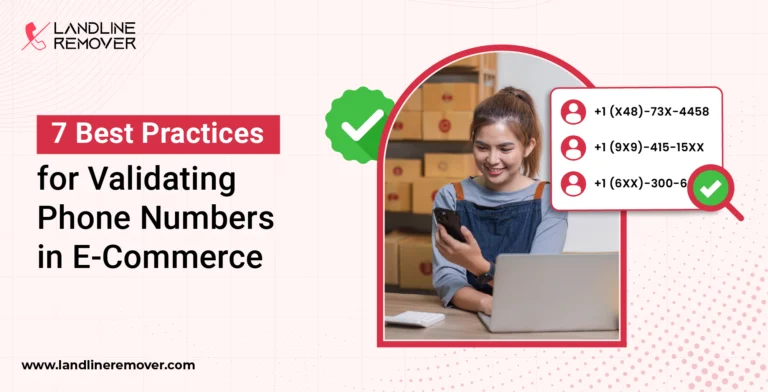
In e-commerce, one detail you always need to get right for each customer is the phone number. You need columns and columns of customer phone number information, whether it’s for delivery purposes, for account verifications or for SMS marketing, the phone number has to be valid, correctly formatted and reachable. A wrong phone number means potential missed delivery, potential verification failures, and frustrated customers.

To help you make the most of your customer data strategy, here are 7 examples of best practices that have been proven for phone number validation in e-commerce with real examples, how to use the examples, and ways to incorporate these strategies.

However, first let’s take a look at why phone number validation is so important in 2025.

Why Phone Number Validation Is a Must-Have for E-Commerce Today 

In today’s mobile-first shopping experience, phone numbers are becoming essential elements in providing seamless consumer experiences. Real-time order tracking, account validation, promotional SMS blasts, you name it, businesses depend on consumers providing them reliable contact details to maintain trust and efficiency. When a consumer enters an incorrect or incomplete mobile phone number, this can cause failed deliveries, missed one-time pins (OTPs), and a host of frustrated users – all of which can cause consumers to abandon their carts or reduce their overall satisfaction with the experience.

Moreover, beyond missed messages, incorrect phone numbers can be great indicators of fraud – especially with bot signups during promotion periods – or in certain cases, errors. Invalid numbers also steal from marketing budgets; spending on SMS campaigns for marketing messages passed on consumers that can’t receive messages to the intended phone number.

For these reasons, modern e-commerce platforms should not consider phone number validation a never thing; but rather a layer of customer data hygiene. But the good news? A few small tactical, positive changes can make a huge impact on your data quality. Let’s dive into the best practices every e-commerce brand should be implementing today.

Mastering E-Commerce Success with 7 Powerful Phone Number Validation Best Practices

Accurate phone numbers are crucial when implementing e-commerce and your e-commerce processes: from order confirmations and order deliveries to fraud prevention and SMS marketing; having accurate phone numbers is vital. Without proper validation, the e-commerce platform has the potential to create communication errors and failed interactions and deprive your customer service experience. When you have a robust validation process embedded in your e-commerce platform, you are able to guarantee that the customer data is clean, compliant, and readily implementable.

1. Implement Real-Time Phone Number Validation

In e-commerce, accurate contact information at first touchpoint is key to preventing issues downstream – starting with phone number validation in real time. By validating user input in real time instead of allowing them to submit invalid or incomplete phone numbers, you’ll keep your database accurate and communication-ready from day one.

Best Practice:

Implement input masks and smart validation scripts that guide the user. They automatically format numbers, (i.e., provide delimiters, parentheses, international codes, etc.), elicit visual feedback when the user has missed digits or portion of the number manuscript or entered unwanted characters, and allow for restrictions on submissions tailored around number type (i.e., mobile vs. landline number) to ease the potential for the user receiving SMS.

Why It Matters:

Real-time validation not only helps improve data accuracy, reduce friction at checkout and minimize delivery errors. By addressing errors at the source, businesses eliminate the need for manual corrections, OTP failures, or undeliverable messages. This conversion and user experience improvement are indisputable.

For Example:

A global fashion e-commerce retailer was able to do real-time phone number validation with a free phone validation tool and circumvent multiple field validation prompts regarding field masks. They noted within 60 days a 15% reduction in customer support tickets regarding delivery, and a 12% increase in successful SMS notifications. Together, those sustained improvements improved their postpurchase experience and retention.

Pro Tip: Use intelligent validation scripts to detect landline numbers, ensuring only mobile-compatible numbers are entered, minimizing delivery failures for SMS campaigns.

2. Format Phone Numbers Using the E.164 Standard

As the world moves to an increasingly globalized digital world, it is important to maintain consistency and accuracy in phone number formatting. E-commerce businesses are all simultaneously reaching their customers (individuals and companies) and various third party services, such as SMS providers, payment gateways, and CRMs, etc., in a global environment. In this way, it is important to follow a pattern, or conventions, in phone number formatting so that systems can accurately communicate with each other, both locally and globally.

Best Practice:

When a user submits a phone number, always convert the phone number to the E.164 international phone number format (ex. 12125551234). E.164 format includes the country code and removes any unnecessary symbols or spaces. An E.164 formatted phone number is universally accepted (if the service allows for global phone numbers). Ensuring that a phone number is submitted in E.164 formatting provides that whether you are sending an OTP to your customer in Tokyo, or advice of delivery to someone in Toronto, this phone number will still be recognized properly in any and every system or network.

Why It Matters:

Employing the E.164 format is important for standardization as it limits inconsistencies between systems. Lack of consistency in formatting phone numbers can cause failure messages, inaccuracies in data, and integration challenges, especially when managing different countries, time zones, and regional carriers.

Using E.164 allows phone numbers to be accepted by international SMS gateways and verification APIs, which limits inconsistencies and enhances communications. It is especially useful for organizations that work internationally across many markets and have different local number formats.

For Example:

An e-commerce SaaS provider focused on subscription services utilized E.164 formatting for their two-factor authentication (2FA) SMS alerts. By automating the conversion to E.164 during the signup of users, they achieved a whopping, 98% delivery success rate for OTPs. Before transitioning to E.164, they experienced inconsistent deliveries of OTPs because of formatting problems across the international carriers used. With the change, customer complaints with failed verifications were greatly diminished, improving their platform’s security and user experience.

Pro Tip: Ensure all phone numbers are automatically formatted to the international E.164 standard so that there will be fewer mismatches in international communications and more compatibility with different systems.

3. Integrate a Reliable Phone Validation API

Static form validation can overlook important issues related to invalid numbers, incorrect formats, or phone types not suitable for SMS. To ensure that only valid, contactable numbers enter your system, it would require dynamic, real time validation through an API that checks multiple parameters.

Best Practice:

Use a trusted phone validation API(like landline remover) that assesses many parameters of a phone number and its type (mobile, landline, VOIP), carrier status, and if it’s active and SMS enabled. This method filters out numbers that cannot be reached and won’t waste your marketing dollars on numbers that cannot receive your messages.

Why It Matters:

Validating a phone number at the time of submission means that only the best, contactable leads get into your pipeline. This will improve your marketing efforts and the customer experience by avoiding undelivered messages-essentially getting the right numbers engaged and converting!

For Example:

A large online electronics retailer implemented a phone validation API to validate the phone number during the sign-up process, and they found that almost 18% of their new sign-ups offered invalid or unreachable phone numbers. After cleaning the database, their SMS campaigns saw a substantial improvement, inclusive of a 22% lift in engagement rates. This not only saves in SMS marketing costs but also enhances customer engagement and experience overall.

Pro Tip: Integrate APIs that can detect and flag invalid, landline, or VOIP numbers to streamline communication and avoid undelivered messages or fraud risks.

4. Cross-Verify Numbers with Geolocation

Phone verification is more than a check of format or validity. A phone number’s country code and the geolocation of an IP address can provide a warning of potential fraud, errors, or even bot activity if they do not match. Making sure that these elements align offers one additional layer of security for your verification process.

Best Practice:

Cross-reference the user’s phone number country code with their IP geolocation to ensure that they are in the correct place. If the country of the geolocation does not agree with the country code of the phone number, maybe prompt the user to validate their input. This offers some protection against fraud or data entry errors before they lead to a fraudulent order.

Why It Matters:

Cross-verification helps to uncover inconsistencies resulting from fraud or human mistake. It is especially valuable for e-commerce businesses that have different promotions, shipping options, and prices by country. Once you start comparing phone number data alongside geographical data, you are able to validate the user’s data and substantially lessen the chance of fraud, leading to accurate customer records on file.

For Example:

In the case of a limited edition sneaker drop, an e-commerce platform flagged a number of matches for U.S.-based phone numbers and an overseas IP address. The early warning system allowed the company to identify obvious fake accounts setup via bots, which in turn allowed them to cancel fraudulent orders before being processed. The business was able to safeguard the promotional integrity of the limited-drop event while preventing potential lost revenues.

Pro Tip: Apply geolocation-based checks to verify phone numbers against the customer’s location to enhance data accuracy and lower the risk of fraudulent or incorrect submissions.

5. Schedule Routine Data Cleanups

Customer data, including phone numbers, is continuously changing. Numbers can be inactive, reassigned, or blocked causing increased bounces, missed opportunities, and waste in your SMS campaigns. Regular data cleansing and validation will help you maintain the quality and effectiveness of customer communications.

Best Practice:

Schedule quarterly or bi-annually audits to validate your current phone numbers using a Bulk Phone number Validation API. Through regular data cleaning, you are ensuring that your existing numbers are only the most current and up to date. On a larger scale, you can automate the process of elimination of invalid entries, or better yet update the valid current numbers easily through API technology.

Why It Matters:

Regular cleanups minimize the chances of sending your SMS messages to numbers that are no longer in existence, which ultimately reduces SMS bounce rates. Additionally, by cleaning up your list, you increase the return on investment (ROI) with your promotional campaigns by optimizing your chances of sending messages to real engaged users that are more likely to convert.

For Example:

A large furniture brand was using a bulk validation tool and regularly conducted data cleanups, etc., continuously removed at least 10,000 inactive contacts from their SMS marketing list. Upon completion, the furniture brand noticed their click-through rate grew by 35%, and they also saw a substantial reduction in wasted ad spend. The regular cleanups had assisted in not only improving customer engagement but also increased effectiveness of their direct

Pro Tip: Regularly audit your database to eliminate outdated or invalid phone numbers, ensuring effective communication. Use bulk upload validation tools to simplify and speed up the process.

6. Stay Compliant with Global Data Privacy Laws

Following international data privacy laws Collecting phone numbers and sending communications via text or voice calls for your e-commerce brand is more than just a way to enhance a particular user experience. With an increasing number of data privacy laws set forth internationally, including GDPR in the EU, Telephone Consumer Protection Act (TCPA) in the U.S., and many more, you will need to remain compliant or else risk expensive litigation.

This will include scrubbing your contact lists against Do Not Call (DNC) registries, plus filtering out individuals you know are litigators, so you do not inadvertently deal with them. Engaging with these contacts is a risk due to the severe ramifications of not keeping yourself compliant.

Best Practice:

You must always get explicit consent by providing a clear opt-in choice for your customer before you send SMS messages. Use a double opt-in process, then they need to subscribe to receive your communications willingly. Each SMS you send out needs to include an easy to use unsubscribe feature. And you need to maintain a secure log of their consent for accountability.

Why It Matters:

If you break these laws, you could have heavy penalties and a tarnished reputation, and you will quickly lose customer’s trust. As laws and regulations tighten, the risk for non-compliance is wanting to go up. For example, penalties for GDPR can be 4% of global annual revenue or €20 million (whichever is higher).

For Example:

An online clothing retailer set up a double opt-in process for its SMS updates, confirming that they wanted to receive messages. This was primarily for compliance reasons, but they found that engagement rates increased because customers felt they had ownership of their messaging. Moreover, complying with best practices for compliance allowed the retailer to lessen the risk of legal ramifications and develop a reputation for respecting customer data.

Pro Tip:Follow the data protection law that exists when collecting phone numbers. Make sure you get customer consent before using their phone numbers for marketing or service messages.

7. Provide Clear Explanations for Phone Number Collection

As customers’ concern regarding privacy continues to increase, it is important to build that trust upfront and to inform customers why you need their phone number. If customers know the intended use of their phone number (i.e. delivery updates, confirmation of orders, exclusive offers, etc.) they will be more likely to agree to the request and provide the correct information.

Best Practice:

Provide a short message near the phone number box that reads, “We use your phone number for timely delivery updates, exclusive discounts, and account security alerts. We will NEVER share or sell your information.” This shows transparency around how their data will be used, which is trust at the beginning of the relationship.

Why It Matters:

Transparent messaging softens friction in the checkout process, reduces privacy concerns, and will lead to overall more accurate data entry. If customers are comfortable with how their phone number is going to be used, they are much more likely to provide a valid and/or accurate number. In addition, it will lead to enhanced opt-in rates, meaning there will be fewer invalid phone numbers in your database, and you will have the ability to communicate more effectively.

For Example:

A fashion e-commerce brand included a privacy note to the phone number field informing their customers that their number would only be used for delivery tracking and special offers. A small change, but they saw a 19% increase in completed sign ups as their users felt reassured about sharing their phone number.

Pro Tip: Build trust by clearly explaining why you need the customer’s phone number. A simple privacy message near the phone field can boost accurate data entry and improve opt-in rates.

Using these best practices for phone number verification can benefit e-commerce companies with accuracy of data, customer satisfaction, and overall marketing success. In a world where trust and openness are the recipe for success, it is taking all the right steps to verify and adhere to phone number data that will improve your customer relations and business operations. These strategies are a priority, for your best communication, reporting errors, and top outcomes.

Conclusion: 

Validating phone numbers helps E-commerce companies track customer interactions, improve campaigns, and reduce data errors. Real-time validation at the point of entry using globally recognized formats like E.164 ensures accuracy. With dynamic validation APIs that detect number type (mobile, landline), carrier status (active, inactive, personal, business), and even activity status (ported, inactive), businesses can keep their data fresh and campaigns effective. Geolocation and number verification also help flag early signs of fraud.

To keep your data clean and compliant, try Landline Remover -a smart phone number validation tool that identifies invalid or landline numbers, boosts SMS delivery rates, cuts costs, and sharpens targeting.

Frequently Asked Questions

Typos, incomplete country codes, and old formats rank highest. Minor errors mostly end up with botched verifications, unfulfilled orders, or lost SMS updates.

The vast majority of clients view it as a security process – not annoying – when done fast and smoothly. It promotes confidence that they’re dealt with professionally.

Definitely. Clean, verified numbers allow couriers to deliver to the right individual at the right moment – decreasing failed deliveries and increasing overall customer satisfaction.

It helps your messages go to actual, active users. Verified numbers increase deliverability, decrease SMS bounce rates, and enhance ROI on campaigns.